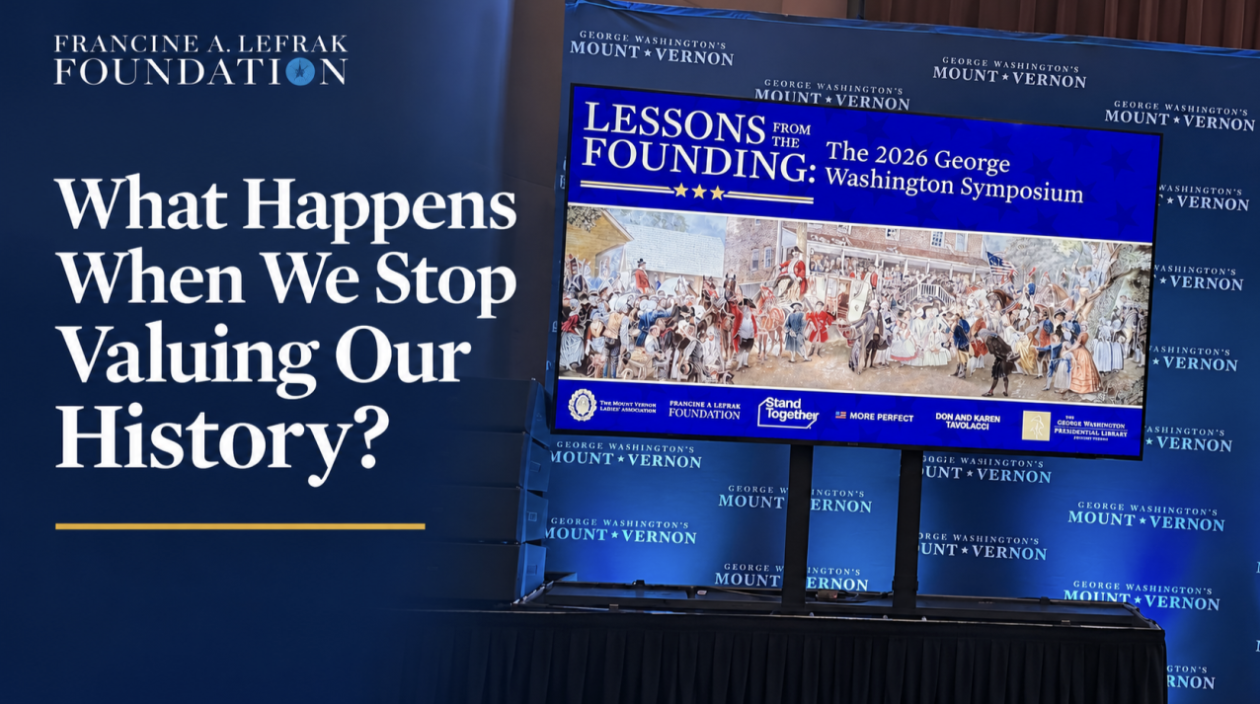
We are racing toward an AI-powered future while allowing the study of our nation’s past to disappear. We cannot afford to do both. I believe one of the most important ways to inspire younger generations to study history is to show them how essential it is to the technologies shaping their future, and to their employability.

Standing on the same soil as our first president, I found myself thinking about all that Washington sacrificed and accomplished. He helped lead a revolution, bring together 13 states with different interests and points of view, and establish a new nation. At a time when our country is so divided, I was reminded of how extraordinary it was to build something together despite those differences.
Artificial intelligence is transforming industries, creating enormous wealth, and changing the way we live and work. I am excited about what this technology can make possible. But as we race to make machines more intelligent, I believe we need to ask a much bigger question: Are we doing enough to make sure people have the opportunity to benefit from it? And perhaps more importantly, are we doing enough to ensure we don't leave people behind?

Too many young people are graduating anxious about the future and uncertain about their path. They need knowledge, certainly. But they also need resilience, judgment, financial fluency, emotional intelligence, practical skills, and the confidence to discover what they are uniquely good at.
I believe higher education is facing one of the greatest opportunities in generations. But it is also facing a moment of urgency. Universities cannot assume that the model that brought them this far will carry them into the future. If they don’t adapt to what this generation needs, they risk becoming less relevant to the very young people they are meant to serve. And institutions that fail to remain relevant will ultimately fail.
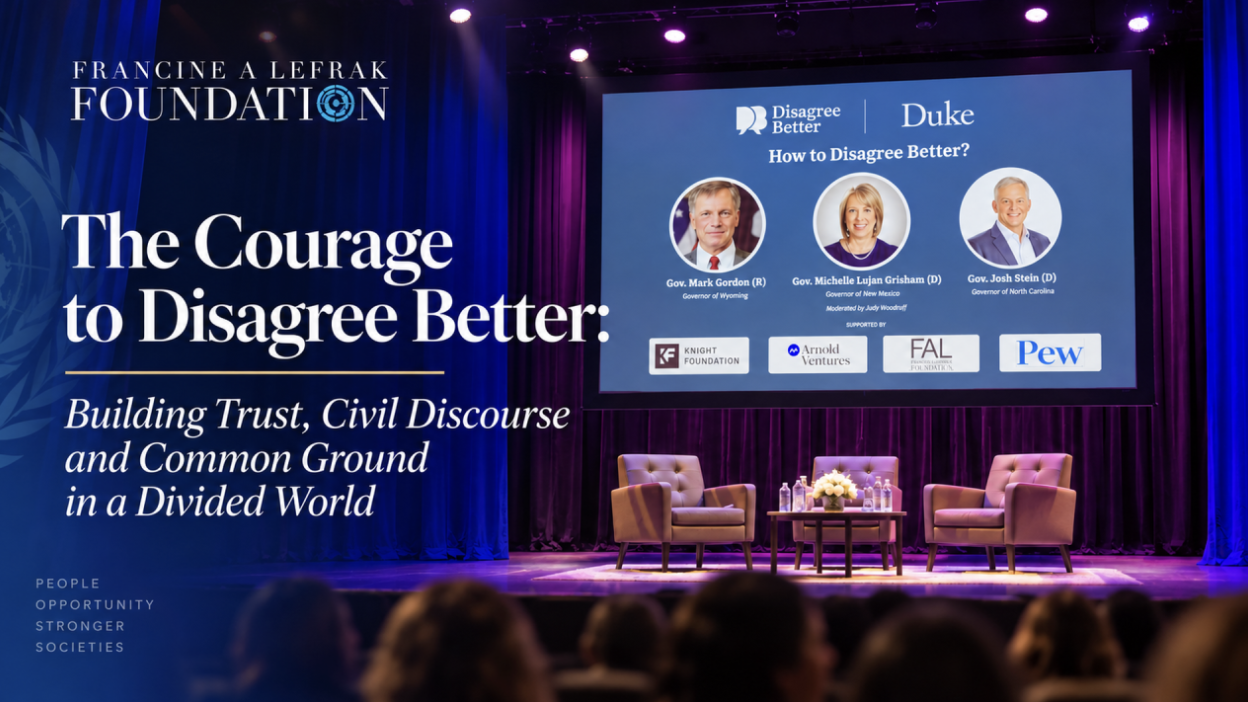
The Francine A. LeFrak Foundation was proud to be a key sponsor of the recent Disagree Better program at Duke University. What was discussed over those two days touched on something I have been thinking about for some time: How do we build strong communities and solve difficult problems when it seems increasingly difficult for people with different beliefs to even talk to one another?
This past March, we held our second annual LeFrak-Friedberg Scholars Summit in Rwanda, and it was extraordinary. Global leaders came from around the world to speak directly with our students, share their experiences, answer their questions, and hear their ideas. Our scholars had the opportunity to hear from leaders including Minister Paula Ingabire, Rwanda’s Minister of ICT & Innovation; Dr. Yvan Butera, Minister of State for Health; Honorable Sandrine Umutoni, Minister of State for Youth & Arts; Dr. Phil Cotton, Vice-Chancellor of the University of Global Health Equity; Israel Bimpe, CEO of Irembo; and Sheila Klehm, Managing Director of Private Wealth Management at UBS.

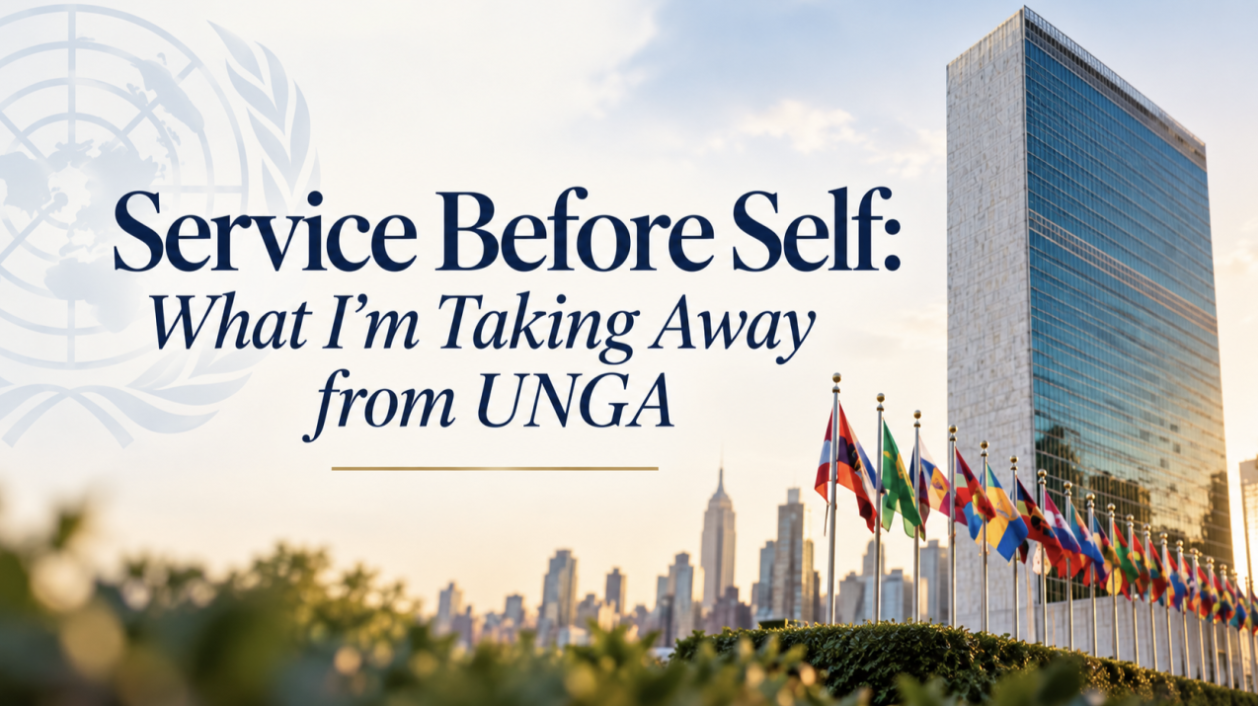
What if the solutions to some of our biggest challenges are already here, but the right people simply haven’t been brought together yet? That is the thought I keep coming back to after spending time in conversations around the United Nations General Assembly.
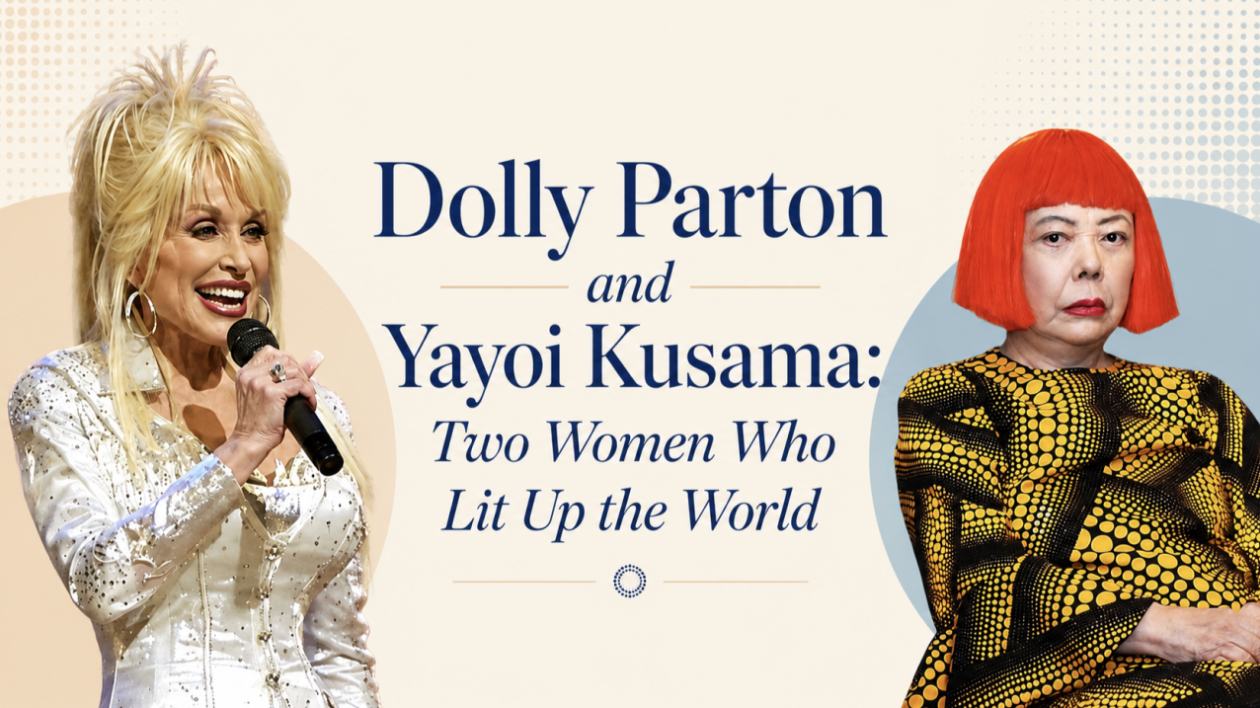
I believe women need to understand something early: creating value isn’t enough. You need to own it. And you need to know what makes you different. I’ve been inspired by two women who couldn’t be more different: Dolly Parton and Yayoi Kusama.

When did disagreeing with someone become a reason to stop speaking to them? That question has been on my mind for a while, so I welcomed the opportunity to ask someone who has spent a great deal of time thinking about it. I recently sat down with Utah Governor Spencer Cox to talk about his book, Off Ramp: How to Be a Peacemaker in an Age of Contempt, and what he has learned from trying to bring people with very different views back into conversation.

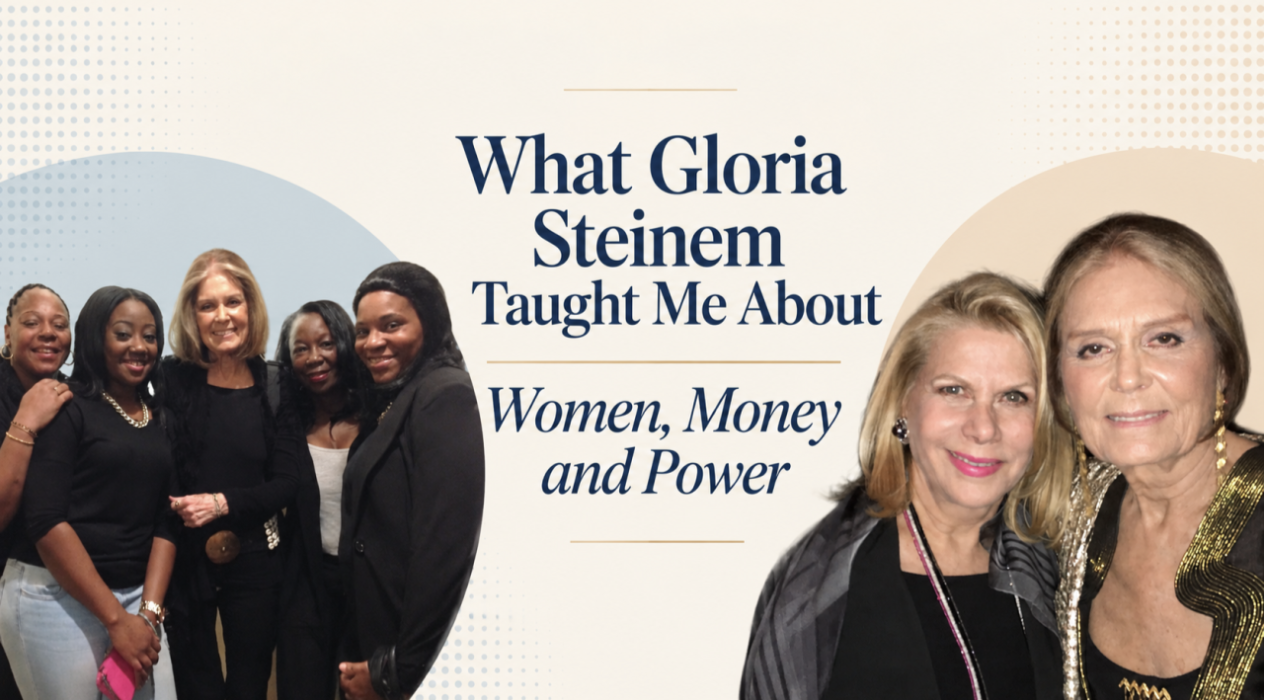
When I told Gloria Steinem about my work with women in Rwanda who survived the genocide and formerly incarcerated women in New Jersey through Same Sky, she didn’t just tell me she supported what we were doing. She showed up.
I have been thinking a great deal about Dolly Parton and Yayoi Kusama. We lost them within days of each other, and when they died, I felt there was a connection between these two extraordinary women. Their lives could hardly have been more different, yet both showed us what a woman can accomplish when she knows who she is and refuses to let hardship define her.
Years ago in Rwanda, I learned something that has stayed with me: the power of having a job. Working with the New Jersey Reentry Corporation has let me see this issue in a new way. People coming back from incarceration face real barriers to finding jobs. They may be ready to work, but too often employers only see their past.

Who is responsible for protecting the purpose of a university? It is a question I believe every trustee, university leader, faculty member, donor, and parent should be asking right now.

A Broadway production begins with belief. Belief in a story before anyone else sees it. Belief in artists before they become household names. Belief that if you bring together the right people with a shared vision, something extraordinary can happen.
700 Women Artisans in Rwanda Gain Business Training, Market Access, and Financial Independence Through Same Sky Foundation and Indego Africa

Every opening night tells two stories. The first is the one we see on stage. The second is the one that almost never gets told.

As America celebrates its 250th anniversary, we have every reason to reflect on what we’ve built. We have built roads and bridges that connect communities. Universities that educate generations of leaders. Hospitals that improve lives. Businesses that drive innovation. Cultural institutions that preserve our history and inspire our future. These investments have strengthened our nation in countless ways. But as I think about the next 250 years, I believe our greatest opportunity lies in building something less visible, yet equally essential. Civic infrastructure.
Last night, Music City officially opened Off-Broadway, and I couldn’t be more proud to be a co-producer of this extraordinary production.

There are moments in the theater that remind you why live performance matters. Not because everything goes according to plan, but because artists find a way to rise above the unexpected.

When we talk about well-being today, the conversation almost always begins with physical health and mental health. We encourage people to exercise, to seek support when they need it, and to prioritize self-care. These conversations are important and long overdue.
What if the pursuit of happiness is actually one of the most important foundations of leadership? Not happiness as comfort or achievement alone, but happiness rooted in purpose, character, curiosity, resilience, and human connection.

This year, I found myself returning to a belief that has guided me for decades. That real change does not happen at a distance. It happens when we stay close. Close enough to listen. Close enough to understand. Close enough to respond in ways that truly matter.

Today, as graduates crossed the stage at Barnard College surrounded by proud families, faculty, and friends, I could not help but reflect on how much these remarkable young women have accomplished over the last four years at the top women's college.

As someone who has spent much of my life thinking about opportunity, empowerment, and the future of young people, I believe this is one of the most important education moments we have seen in years.

This Mother’s Day, I am thinking about the mothers whose stories are too often unseen.

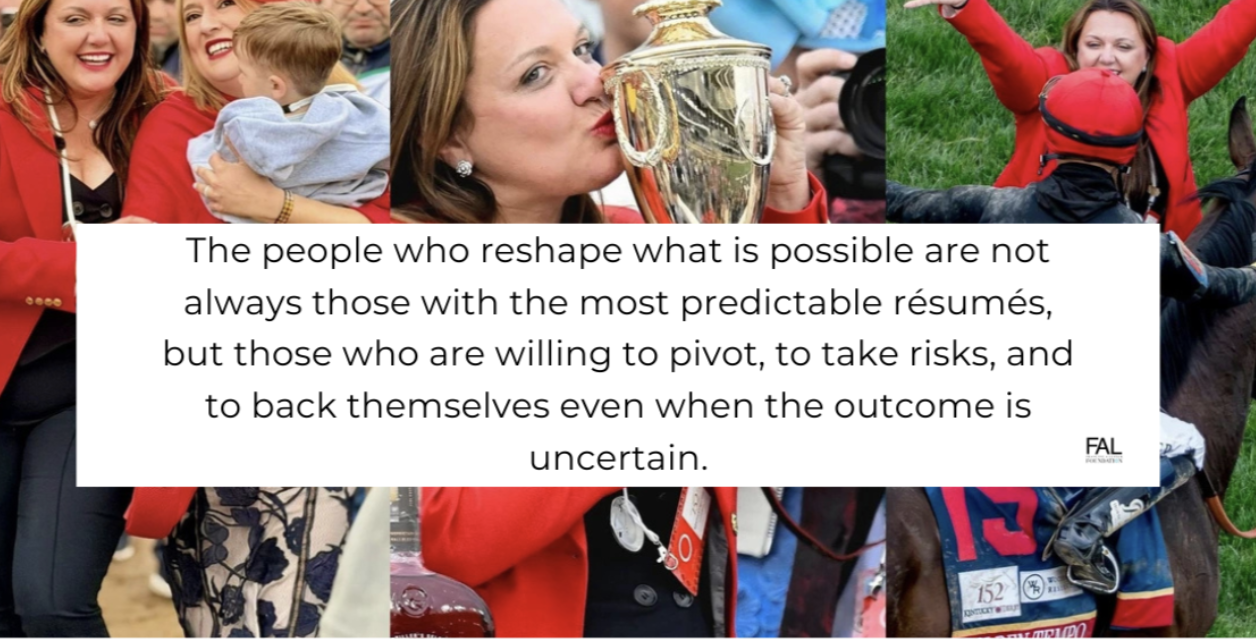
There are moments in sports that reach far beyond the finish line. Moments that reveal what can happen when courage, perseverance, and conviction move in the same direction. Watching Cherie DeVaux become the first woman to train a Kentucky Derby winner was one of those moments.
Broadway is not for the faint of heart. It is a place built on belief. Belief in a story. Belief in talent. Belief that something new can capture the imagination of an audience. And belief that the risk will be worth it.
We are living through a period of profound polarization. Trust is low. Civic friendship is frayed. And too often, we see one another not as fellow citizens, but as adversaries.

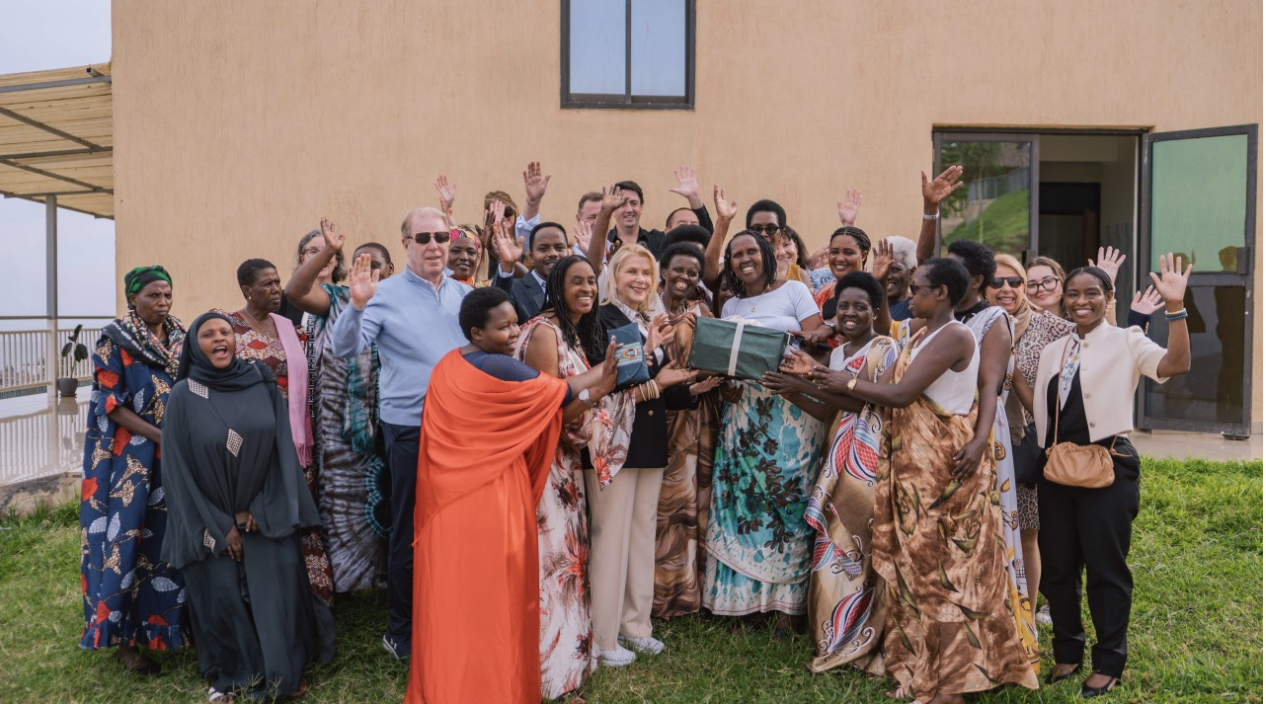
I had the privilege of bringing together a delegation of first-time visitors from across education, finance, real estate, media, philanthropy, and technology. Each conversation, each meeting, and each site visit offered a deeper understanding of how Rwanda continues to build with clarity, purpose, and resilience.
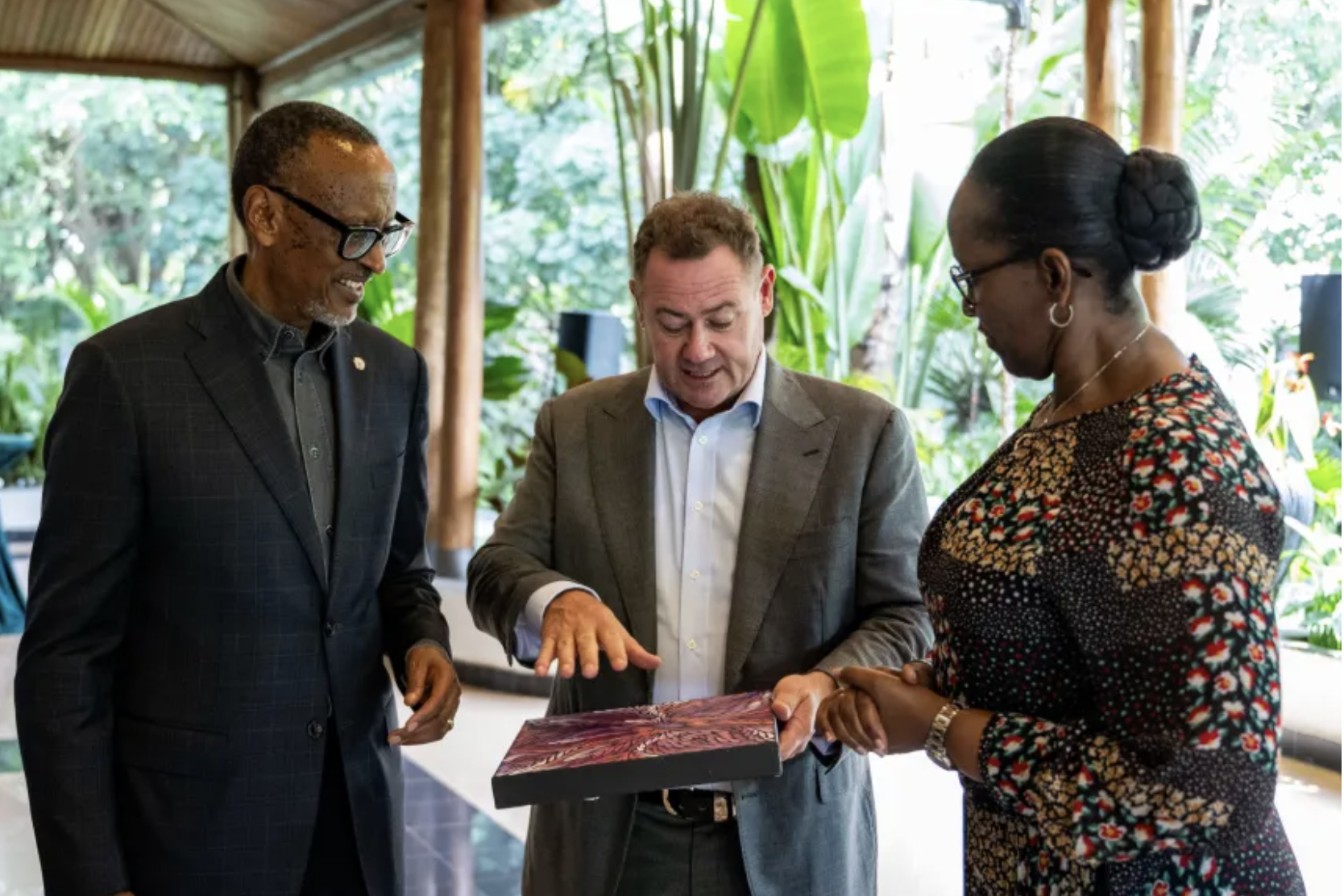
There are moments in our work when you don’t just witness progress, you feel its heartbeat. My recent visit to Rwanda was one of those moments. To be welcomed by President Paul Kagame and First Lady Jeannette Kagame at Village Urugwiro was not only an honor, it was a powerful reminder of what is possible when leadership is grounded in accountability, vision, and a deep commitment to people.
There is a certain moment in live theater that you cannot manufacture. It happens when the lights come up, the first note hits, and suddenly the entire room leans forward. Something electric is in the air. The cast connects. The music lifts the story. And for a brief moment, the audience forgets everything else happening in the world.

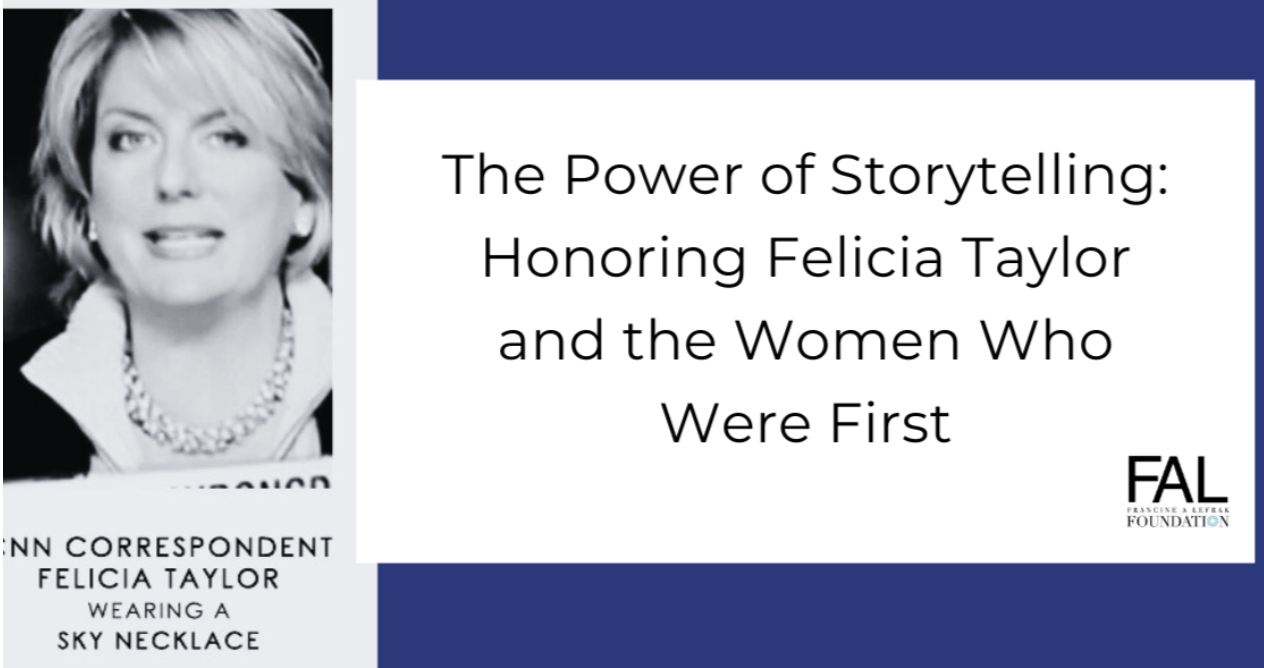
During Women’s History Month, I find myself reflecting on the remarkable women whose vision and generosity make it possible for important stories to be told. One of those women was my dear friend, Felicia Taylor.
The arts have always been central to how I think about well-being, leadership, and community.

When you give a woman a job, you give her opportunity. When you give her financial literacy, you give her power. And when a woman earns and contributes visibly within her community, she gains something even more profound: respect.
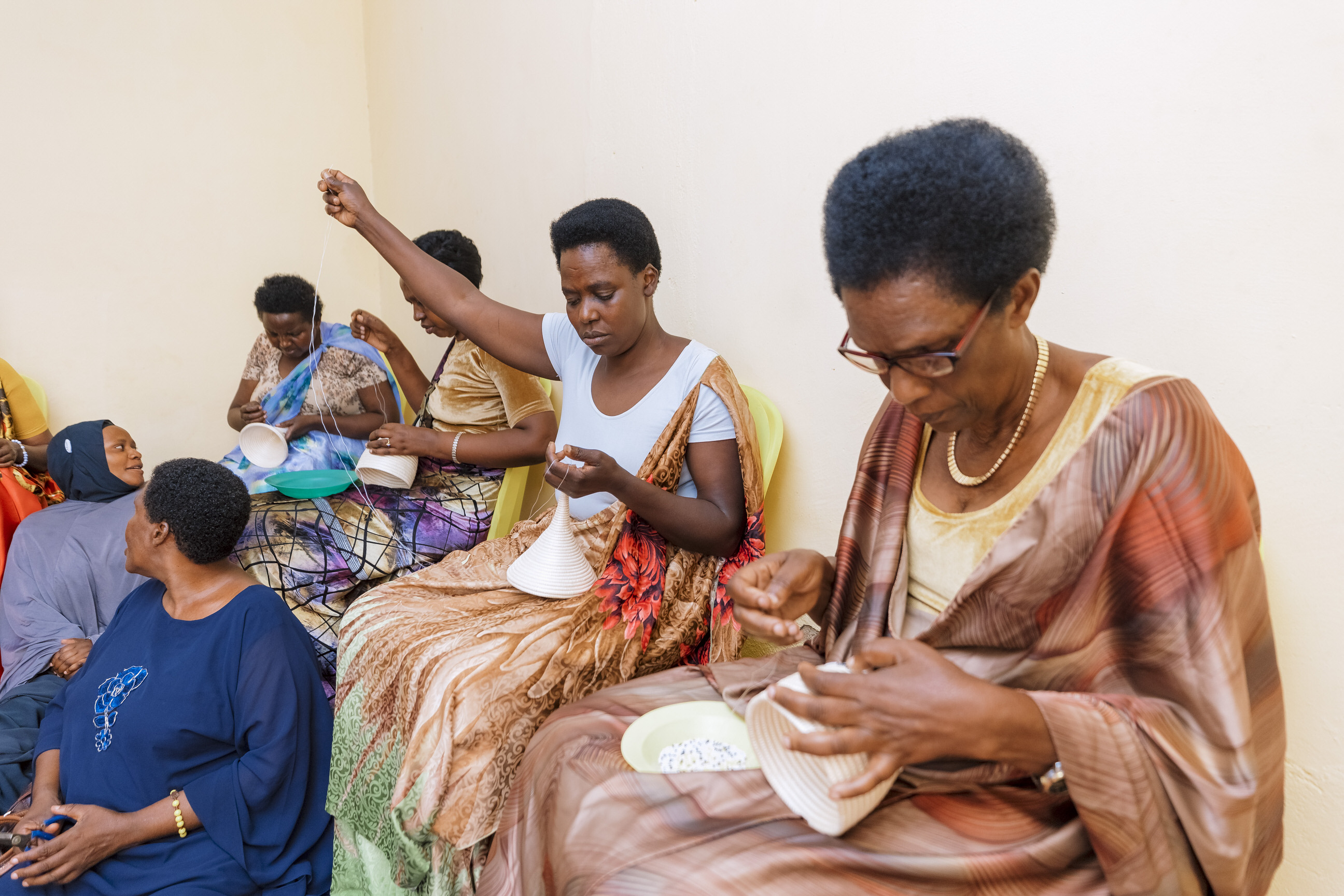
When I think about what it truly means to empower someone, I come back to one word: opportunity. We are investing in people to use their talent and desire to attain the skills to succeed.

There’s a phrase I now live by. It may sound small, but it has transformed how I lead, how I make decisions, and how I protect my time, energy, and well-being.

As we welcome a new year, I find myself reflecting on the power of momentum and what it means to move forward with clarity, courage, and purpose.

After opening remarks from BWI Executive Director Aaron Shiffman, awards were given out, such as The Hero Award, presented to Francine A. LeFrak, a social entrepreneur and philanthropist known for her partnership with BWI through The Tools of The Trade Fund

The brand-new Francine A. LeFrak Foundation Center for Well-Being offers a 360-degree, integrated, intergenerational approach to self-care, community, and connection

Located on the first floor of Barnard Hall, the new center will provide a 360-degree perspective on personal well-being

In October 2020, the creation of the Francine A. LeFrak Foundation Center for Well-Being, her most recent endeavor, was announced.

At the start of the pandemic, hundreds of FIT students suddenly faced financial challenges severe enough to jeopardize their ability to pay for tuition. Francine A. LeFrak—founder of the Francine A. LeFrak Foundation and the Same Sky Foundation—came to the rescue with the Student Emergency Fund, which provided grants that enabled students to continue their education. We asked LeFrak about her motives, her beliefs, and her wishes for the future. Below are some thoughts she shared with us.

Operation HOPE, a nonprofit dedicated to end poverty, will provide formerly- incarcerated women in New Jersey with free financial literacy and entrepreneurship training. Goldman Sachs and the Francine A. LeFrak Foundation are the funding partners for this collaboration, which will provide education, access and career opportunities for more than 150 women in 2020.

Visitors grow in number as soup kitchens, pantries try to keep pace. Food Bank for New York City announced the Francine A. LeFrak Foundation will donate 1 million meals for people in Queens.

Food Bank for New York City in partnership with The Francine A. Lefrak Foundation is distributing meals to families in Queens until June 25.

Bridge2Rwanda would like to thank Francine LeFrak and Rick Friedberg for their generous partnership to sponsor the education of four Bridge2Rwanda Scholars studying at universities in the US.

CIT, in partnership with the nonprofit Operation HOPE, today introduced the next facet of its Launch and Grow initiative, a 12-week HOPE Inside program aimed at empowering women small business owners in New York City and Los Angeles.

The Francine A. LeFrak Foundation and Food Bank for New York City have partnered to provide mobile pantries, as well as meals at food pantries and soup kitchens in Corona, Elmhurst, Forest Hills, Rego Park and Woodside

Longtime New York City philanthropist Francine A. LeFrak is teaming up with the Food Bank for New York City to provide over a million meals to New Yorkers, especially those in the borough of Queens, where residents face desperate circumstances due to the coronavirus pandemic and subsequent lockdown.

The Francine A. LeFrak Foundation is responding to this crisis by donating to Food Bank For New York City to provide 1,000,000 meals for people in Queens.